Jahangir's World Times First Comprehensive Magazine for students/teachers of competitive exams and general readers as well.
Futuristic Needs and
Socioeconomic Challenges for Pakistan
Hassaan Bin Zubair
Pakistan has faced major challenges in socioeconomic domain over the past seventy-two years. However, not all problems have been overcome. The key problems the country is faced with today include: water scarcity, lack of sustainable development projects; an increasingly unemployed youth population, little focus on human development projects, a steep decline in foreign exchange reserves, increase in non-developmental expenditures, growing public debt, unequal distribution of wealth, rising deprivation in Balochistan, interior Sindh and Southern Punjab, strained relations in the region, especially with the eastern and western neighbours, so on and so forth. Here is a brief introduction to the problems that require serious government attention.
- Urbanization
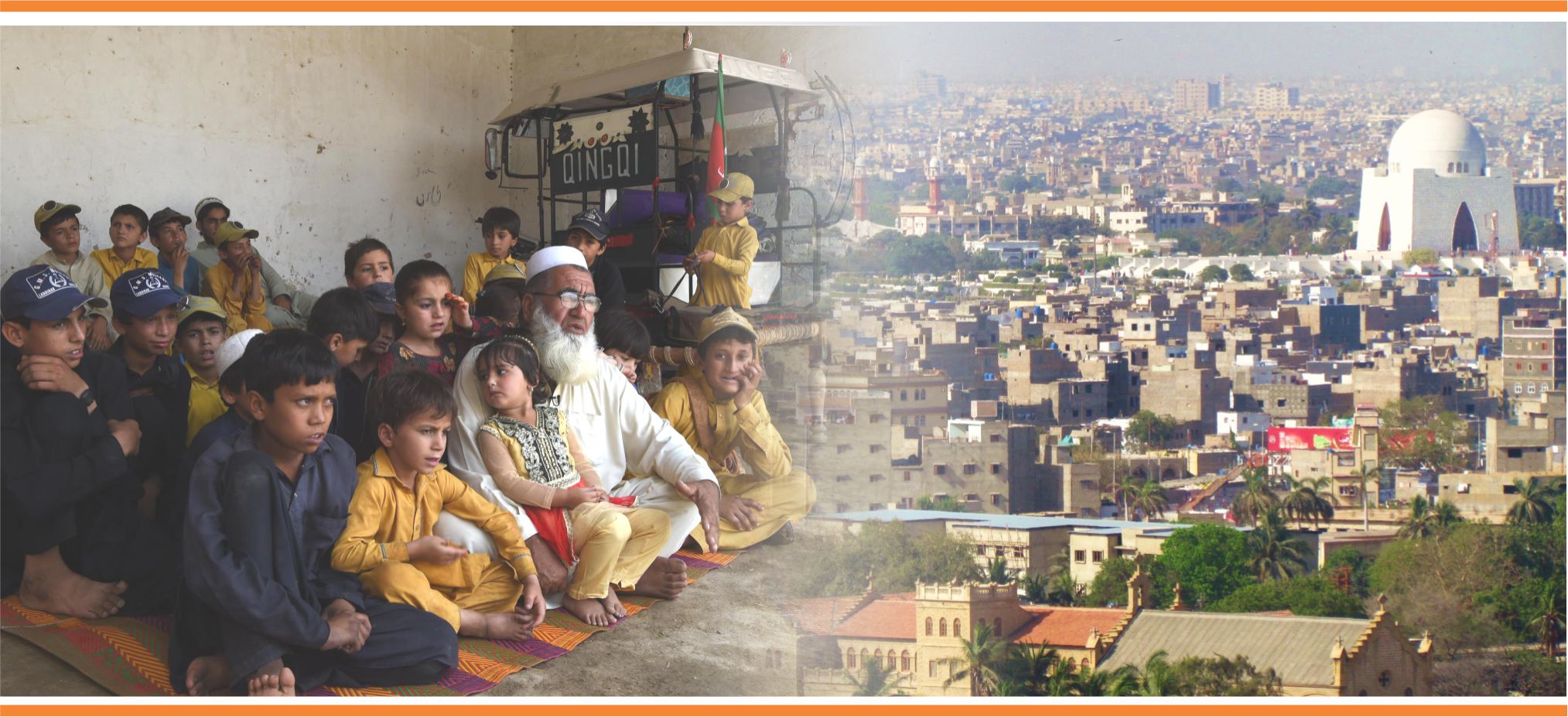
Pakistan is among the most urbanized countries in South Asia. A major problem is that the urban population is growing at three percent a year. Pakistanis are flocking to cities faster than any other country in South Asia. By 2030, it is expected, more than half of Pakistan’s projected 250 million citizens will be living in cities. The main drivers of Pakistan’s urban growth are high birth rates and migration from rural areas. Migrants are attracted to cities for better jobs and improved access to basic services. According to the World Bank, Pakistan’s urbanization is also ‘messy and hidden’: Messy from low-density sprawl and hidden as cities grow beyond administrative boundaries to include ‘rural policies’, which are densely populated rural areas and outskirts not officially designated as cities. However, urbanization has inflated Pakistan’s biggest cities so rapidly that they struggle to deliver public services and create productive jobs. Urban poverty is on the rise, with one in eight urban dwellers living below the poverty line.
As a result, Pakistan’s cities contribute much less to the economy compared to other developing countries. Pakistani cities inhabited by 38% of the population make up around 55% of total GDP. Rural policies today are estimated to make up to 60% of urban Pakistan. Such urbanization without an accompanying shift in economic patterns does not bode well. Without better urban planning to accommodate rapid growth, cities have the potential to become hotbeds of discontent and unrest rather than engines of growth and innovation.
- Higher Education
The government is facing criticism not only from the opposition and academia but also from the Higher Education Commission (HEC) for slashing higher education spending in the 2019-20 federal budget. The HEC claims it has received half the budgetary allocation it had requested. According to HEC Chairman Tariq Banuri, the federal government has allocated Rs.59 billion instead of the Rs.103.5 billion budget estimate shared by the commission when the budget was being finalized. The HEC had demanded Rs.55 billion for development expenditures but only received Rs.28 billion. Currently, the HEC is running 136 development projects across the country. Budget cuts in the past have affected HEC-funded foreign scholarships. The PTI government came into power in 2018 with the promises of increased spending on public education. But its reforms agenda appears to have hit a snag due to the country’s economic downturn.
- Unbridled Population Growth
The country’s current population is more than 210 million. The growing population harms the country reserves and depletes resources. Unchecked population growth can be extremely detrimental to Pakistan’s development. Pakistan, with its limited family planning, has one of the highest birth rates in Asia at around three children per woman, according to the World Bank and government figures. That has led to a five-fold increase in its population since 1960. The boom is negating hard-won economic and social progress in the developing country. Analysts say unless more is done to slow growth, the country’s natural resources will not be enough to support the population.
- Youth Bulge
There is a lack of sustainable development projects in Pakistan. The number of youth in our country is constantly increasing, which means that unemployment is growing rapidly as well. That is why technical education must be provided. B-Tech education and other technical education should be made available to everyone. The maximum number of youth should be equipped with the skills so that they can go abroad and earn money to contribute to the gross national product (GNP).
- Climate Change
The country’s climate is getting worse day by day, for which trees must be planted. The increasing severity of floods and silting of dams is leading to a decrease in their storage capacity as a result of deforestation. In the future, the water crisis will more serious than the energy crisis. Timely action is needed to address this issue so that the requirements of the growing population can be fulfilled.
- Unequal Distribution of Wealth
The country faces an unequal distribution of wealth. In Musharraf’s era, this phenomenon increased rapidly because most of the economic experts at the time belonged to the banking sector. This meant that the agricultural sector was ignored and the small and medium business sector was also affected. The rich became richer and the poor, poorer. Afterward, Pakistan Peoples’ Party and Pakistan Muslim League-Nawaz came into power which allowed this difference to be narrowed down. This suggests that democracy is a good option to achieve an equal distribution of wealth.
- Local Governance
The local bodies system from Article 140 of the constitution requires that power be transferred to the lower tiers of government. When this transition finally occurs, it will improve the condition of the public as well.
- Broadening the Tax Base
The country’s tax net needs to expand as only a small segment of the population pays tax. Landlords, civil and military bureaucracy, large companies, bank owners, and housing society owners are included in the elite of Pakistan and are given special privileges in the form of tax cuts to avoid certain taxes. Projects like the Benazir Income Support Fund will not end poverty, but may rather create a huge population of poor people that are dependent on social welfare. Tax collection can play a vital role to improve the economy of Pakistan. The government should allow the Federal Board of Revenue (FBR) to work impartially, independently and transparently which will make FBR an efficient and effective tax administration. This will increase the confidence of taxpayers in FBR and fairly increase tax collection. This higher collection of tax can be used for the development of infrastructure. It will help to create jobs by reducing unemployment and generate income for the millions. While there is a crucial need to fix persistent challenges, more innate reforms are required to improve and attract talent to serve in the businesses and the public sector. Instead of politicians, academics, intellectuals and community leaders should come forward and play their role in the social revolution.
- Public Sector Spending
If the government plays a more proactive and assertive role in foreign policy, relations with Afghanistan and India would likely improve which could lead to cut in defence spending and the money saved could be diverted to development projects, especially in health and education sector. To accomplish all this appears to be a Herculean task, especially for a government that has come in through an elected democratic process and not a revolutionary change involving the overthrow of the ruling propertied classes. Yet, as many countries including the United Kingdom in the distant past and, more recently, China and Brazil have shown, it is possible to spread the gains of economic development through social welfare measures that reduce poverty and inequality. This requires prudent economic management, reduction of wasteful expenditures and the stamping out of widespread corruption.

- Dwindling Economy
The economic situation of Pakistan is also very critical and people are looking towards the solution to these challenges. Pakistan has different opportunities which can help it to solve its economic problem. But without tackling long term challenges and problems decisively, the country will no longer be able to take advantage of opportunities. Increase in debt and import and decrease in export, saving, investment, tax collection and lack of policy implementation, excessive taxation are some of the challenges faced by Pakistan’s economy.
Conclusion
The coming months are going to be tough for the current government as the rupee is expected to depreciate further, causing inflation to rise. Pakistan’s economic crisis cannot be resolved overnight. Support from the IMF and friendly countries like Saudi Arabia, China, and the UAE will only provide some breathing space in the short term to its shattered economy. Promoting manufacturing by creating a more investment-friendly environment, broadening its tax base, and encouraging innovation and modernization in export-led industries are just some of the most urgent measures the government can take to address the growing fiscal and current account deficit. Pakistan must take advantage of this moment of hard-won reprieve by building a truly stable and sustainable economy before it once again finds itself digging its own economic grave and that of its people.
………………………………