Jahangir's World Times First Comprehensive Magazine for students/teachers of competitive exams and general readers as well.

The Case for a Knowledge Economy
Innovation and knowledge have always been important to the economy. Today, there is growing recognition that the global economy is increasingly driven by “knowledge” rather than the traditional factors of production. Some economists even argue that the modern economy, during the past few decades, has become more knowledge-based. This is shown by the rise in high-tech industries, the growth of the service sector, rise in self-employment and an increase in the number of patents. Education, science, technology and innovation are the cornerstone for a country’s socio-economic development in today’s modern world and a country can transform into a knowledge economy by focusing on these four key pillars.
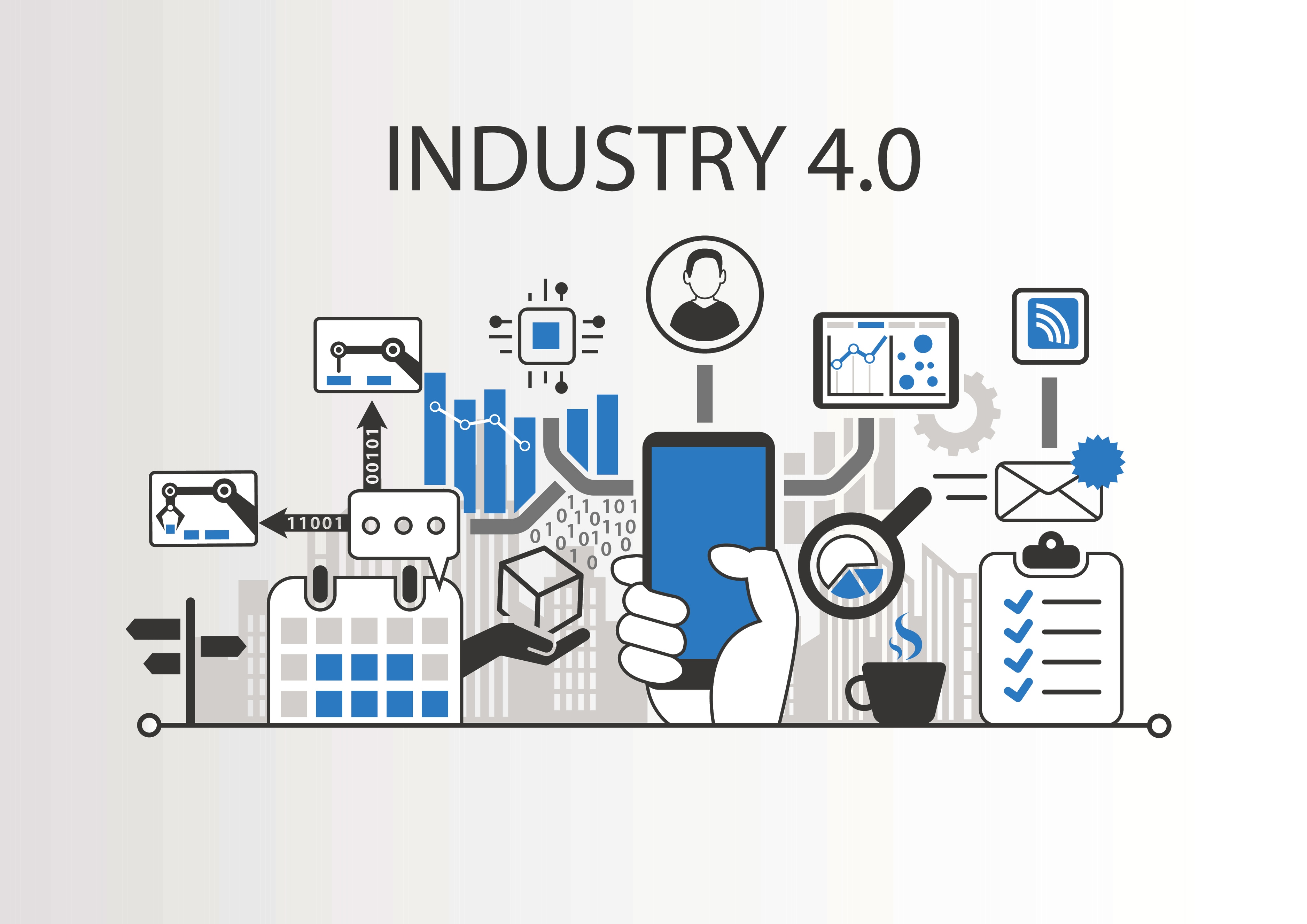
The move from hunter-gathering to the age of farming and the dawn of the Industrial Revolution 12,000 years later mark seminal transitions in human history, lifestyle and wellbeing. Now in the digital age, our civilisation may be in the midst of another equally great transformation: the age of the knowledge economy. Over the past several decades, a number of scholars and commentators have argued that the leading edge of the economy in developed countries has become driven by technologies based on production and dissemination of knowledge and information. We are almost in the midst of the age of knowledge economy. All around us, especially in our immediate east and up north, it is the knowledge economy that is driving progress and development. In Europe, North America and East Asia knowledge economy is leading what is called the fourth industrial revolution which is right upon Pakistan as well. In a world where technological changes are happening at a mind-boggling pace, Pakistan has, encouragingly, also started moving in this right direction. An example of Pakistan foray into this domain is that during the previous year alone, Pakistan, “Task Force on Technology Driven Knowledge Development,” which is headed by the Prime Minister himself, worked closely with NADRA and the FBR to increase the tax revenue and widen the tax net. Using NADRA’s transaction records with innovative AI protocols, the model identified 3.8 million non-filers, each with a tax liability of more than Rs100,000 who should have paid an estimated Rs1.6 trillion in income tax in the fiscal year ended June 30, 2017. The total declared assets moved sharply up to Rs3 trillion and actual taxes paid to Rs65 billion. More than 90,000 non-filers became filers and total tax returns for the year ending June 30, 2018 crossed two million.
This illustrates the tremendous power of technology.
Although this is a big development, we still need to pay a lot of attention to the educational sector, if we want to achieve the dream of being in the comity of developed nations. It is true that at the time of Partition in 1947, there was only one institution of higher learning in Pakistan, i.e. University of the Punjab, and today there are nearly 200 universities in the country but Pakistan made a little progress on the educational front in terms of quality education at all levels and on the higher education front in particular. The national literacy rate continues to hover at a dismal 60 percent, as claimed by the government, while the situation at the higher levels of learning is even worse.
Pakistan does well in quantitative terms, however. With a population of over 200 million people, it produces about 445,000 university graduates and 10,000 computer science graduates every year. The rising enrolment in Pakistani universities is making a lot of headway. But, we may have much to be proud of in terms of the number of institutions of higher learning or the number of graduates they churn out every year, in qualitative terms, there is nothing much to be proud of. There was a time when students from many countries used to come to Pakistan to gain higher education, and degrees from Pakistan’s institutions of higher learning were readily accepted by overseas employers. The situation has gradually retrograded.
Except for scholarships for which outstanding Pakistani students qualify, there are hardly any overseas institutions of higher learning where applicants from Pakistan are readily welcomed. The rich Pakistanis who pay high fees at leading overseas educational institutions so that their offspring can obtain degrees are few in number and, in any event, the foreign institutions concerned are driven more by commercial considerations than anything else in accepting rich, high fee-paying students.
Higher education in Pakistan has been the domain of the Higher Education Commission (HEC) since 2002, an organisation preceded by the University Grants Commission (UGC). Universities in Pakistan were formerly accredited by the UGC which was established in 1947. Then, in the early 2000s, Prof. Atta-ur-Rahman was asked to set up the HEC and he was made its first Chairman. Major advancements in the higher education sector in Pakistan came about under him. These were described as a remarkable transformation in Pakistan’s higher education sector in an article in the world’s leading science journal, Nature, which described Prof. Rahman as a “force of nature”.
Prof. Atta-ur-Rahman is said to have resigned from the HEC in protest in 2008 due to the suspension of scholarships of thousands of students who were studying abroad. The decision was taken by the then government. The budget cuts led to the slowing down of the university development programmes and introduction of various cumbersome bureaucratic procedures.
When the HEC was established, new or revised reforms were introduced. While on the one hand, the Commission was made responsible for formulating higher education policies in Pakistan, it was also charged with ensuring quality to meet international standards as well as accrediting academic degrees, development of new institutions and uplift of the existing ones.

The HEC also facilitated the development of a higher educational system in the country with the main purpose of upgrading the universities and degree-awarding colleges to be focal points for higher education, research and development. For many years, the HEC played an important and leading role in building a knowledge-based economy by awarding hundreds of doctoral scholarships for education abroad.
However, under the 18th Amendment, which was promulgated in 2010, with the devolvement of education and many other subjects from the Federation to the provinces, the progress that had been made in just a few years came to a grinding halt. As things stand, the HEC in the provinces only seems to have turned into a degree-attestation institution.
The 18th Amendment enhances provincial autonomy and, among other subjects, the provinces have been made responsible for education in their respective areas. As a result, it was thought that a clear roadmap had been laid for the jurisdiction of the provinces. What has really happened, as far as the education sector is concerned, is that the provincial and federal higher education regulatory commissions are working parallel to each other since there has been no demarcation of their respective areas of authority.
The public sector has not made much headway as far as higher education is concerned. This apathy is due to lack of long-term policies, political interference and sectionalism. The government departments and ministries that oversee higher education just do not seem to care about their national responsibility and they are least interested in national development or the country’s future.
Like in many other areas, the sector of education seems to have been taken over by the private sector, which, in turn, operates with only commercial considerations in view and fleeces the public in all possible ways. This means that higher education in the real sense is simply out of reach of the people at large. While, ideally speaking, education is the basic right of every citizen and the state is duty-bound to fulfill this responsibility, those people who look towards the state are probably only day-dreaming.
Higher education entails research at universities, but it seems that both in public and private sectors, all that the so-called researchers are interested in are the funds. There is no check on how research is conducted on both scientific and social science subjects. Once a research study has been completed, the researchers concerned seem to be more interested in quick promotion. There are also no guidelines for publication of the study.
Appointments to faculties at institutions of higher learning are also not made on merit and recommendations, along with political influence, play a big role. There are so many cases where professors, even after they retire, continue to get extensions or they are re-hired on a contract basis.
However, all is not lost yet as under the current government, emphasis is now being placed – perhaps for the first time in the history of Pakistan – on developing a strong knowledge economy. A National Task Force has been formed under the chairmanship of the prime minister with several federal ministers as members. The priority areas identified include high-value agriculture, rapidly emerging areas of IT (including AI), industrial biotechnology, mineral development and blended education.
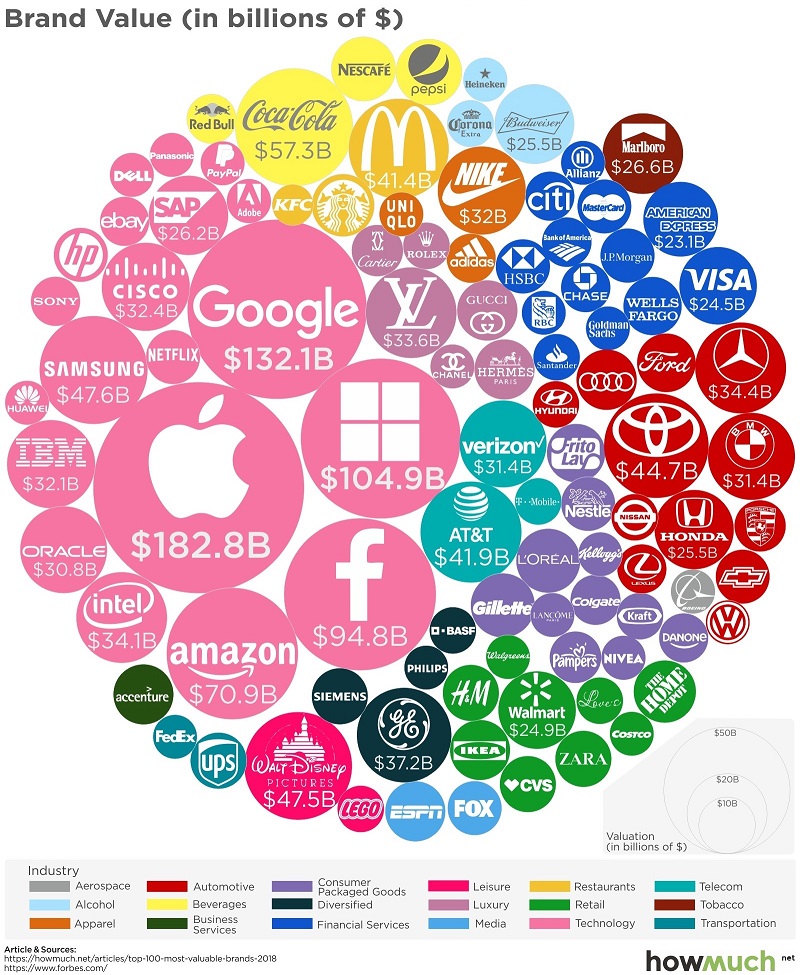
In order to build a strong knowledge economy, Pakistan needs to rid itself of the old economic strategies and frameworks that focused on a natural resource-driven approach to socio-economic development. We now need to concentrate instead on strengthening the dynamic interplay between the three key pillars of a knowledge economy.
These are: One, quality education at school, college and university levels. Establishment of top-class universities and centres of excellence in key fields. Two, government policies directed at strengthening the knowledge and research base, and enhancing manufacturing and export of high-technology products, through promotion of innovation and entrepreneurship. Access to major venture capital funding, science & technology parks and high-tech manufacturing zones with tax holidays.
And, three: support of the private sector so that high-technology manufacturing and exports are aggressively targeted. In this connection, the government must promote R&D within private-sector institutions through suitable incentives such as tax holidays.
It is important for the government to take measures to facilitate the establishment of new start-up companies with ample supply of risk capital. According to standard international practice, seed capital is rarely provided by bank loans but it is normally made available through venture capital firms or through private investors (angel investors). This mode of financing is outside normal banking channels, and relies on contracts between inventors and investors. This can only happen if the contractual rights of all parties are fully protected through a robust and efficient legal system. We are seriously lagging in this respect.
Special emphasis should be placed on the translation of new knowledge into new technological products ensuring the development of small, medium and large-sized industries in the country, particularly in high-technology fields. Mechanisms should be introduced so that the benefits of technological growth reach the vast masses with the aim of impacting and improving the quality of life of every citizen of the country. ‘Technology foresight’ exercises should be regularly carried out by our planning ministry to assess the present and future needs of technology, the niche opportunities for Pakistan and the projected impact of such technologies on social, economic, health and environmental aspects.
It is vital to understand that the proportion of hi-tech products is increasing in world trade. Pakistan’s share of hi-tech products in total exports is insignificant. About 60 percent of our exports are in low value textiles. We must move away from this ‘textiles syndrome’ that has been holding us back. Artificial intelligence holds huge possibilities if we can invest in this important emerging area. Other fields include high-tech agriculture and mineral processing. These technologies need to be commercialized through public/private partnerships.
The national defense organizations are a repository of considerable skills in instrumentation, sensor technologies, drone technologies, as well as electronic control and advanced materials. Extending or converting these skills to civil use could broaden our industrial skill base considerably and would help us develop hi-tech industrial products for export.
For a strong knowledge economy to develop, a visionary leader that understands that rapid socio-economic development cannot occur just by building roads and bridges is essential. The key lies in unleashing the creative potential of the youth through the measures indicated above. Lessons may be learned in this respect from the policies of Lee Kuan Yew of Singapore, Deng Xioping of China, General Park Chung-hee of Korea and Mahathir Mohammed of Malaysia. It requires a highly professional team of selected (not ‘elected’) experts as ministers.
It is only through transitioning to a knowledge economy that we can reproduce the ‘Singapore miracle’. Singapore has virtually no natural resources but the country focused on research, manufacturing and export of high-technology products. The result is that Singapore has astonishing high exports of over $330 billion annually compared to only $25 billion from Pakistan, a country with a population about 40 times greater than that of Singapore. On a per capita basis, the exports from Singapore are about 50,000 percent greater than that of Pakistan!
Pakistan boasts a population that is predominantly young. According to a National Human Development Report of the UNDP, Pakistan has the largest population of young people. It is currently one of the youngest countries in the world and the second youngest in the South Asian region. The report says that 64 percent of the country’s total population is below the age of 30, while 29 percent is between the ages of 15 and 29 years. Given this state of affairs, there should be no doubt that a glorious future lies ahead for Pakistan, as long as we are not afraid to give exemplary punishments to the corrupt, and invest massively in our real wealth – the 100 million youth below the age of 25.
What is a Knowledge Economy?
The term ‘knowledge economy’ was coined in the 1960s to describe a shift from traditional economies to ones where the production and use of knowledge are paramount. According to the World Bank, knowledge economies are defined by four pillars. These are: institutional structures that provide incentives for entrepreneurship and the use of knowledge, skilled labour availability and good education systems, ICT infrastructure and access, and, finally, a vibrant innovation landscape that includes academia, the private sector and civil society.
The Organisation for Economic Cooperation and Development (OECD) states that the knowledge economy is associated with:
- High-tech manufacturing (computer, electronics, aerospace),
- Service sector industries, such as education healthcare and software design
- Business services such as insurance, information and communications.