Jahangir's World Times First Comprehensive Magazine for students/teachers of competitive exams and general readers as well.
Social Media and International Relations
According to IR theorist and author, David Bollier “The internet and other information technologies are no longer a peripheral force in the conduct of world affairs but a powerful engine for change.”
Over the last decade, we have seen social media help create radical change and shift countries towards equality and democracy, such as the role of Twitter in the 2010-11 Arab Spring. Researchers also credit social media for bringing many causes to the attention of mass audience like Syria’s refugee crisis
More recently, we have also seen the role social media plays in constructing narratives for the audience at home. Social media posts by state representatives reflect and frame state identity and how a state wishes to be recognized by others.
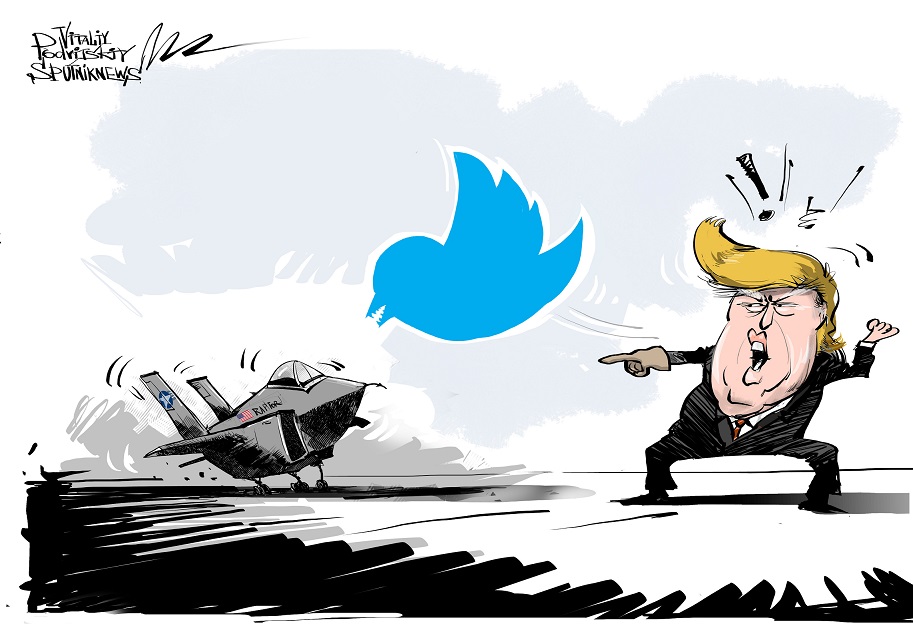
The Trump presidency has given us a robust selection of Twitter diplomacy examples, as heated exchanges have played out between government officials and foreign dignitaries for the world to follow, and all in 120 characters or less.
Followings are the examples how twitter is interfering in the state affairs.
US and North Korea
The most recent example is the escalation in the use of hostile language between Trump and North Korea’s Kim Jong-un. North Korea unilaterally withdrew from the Treaty on the Non-Proliferation of Nuclear Weapons (NPT) in January 2003. In September 2017, it conducted a test of what it claimed was a thermonuclear weapon after which it threatened the United States. On Jan 2018, US President Donald Trump also threatened NK of a nuclear war.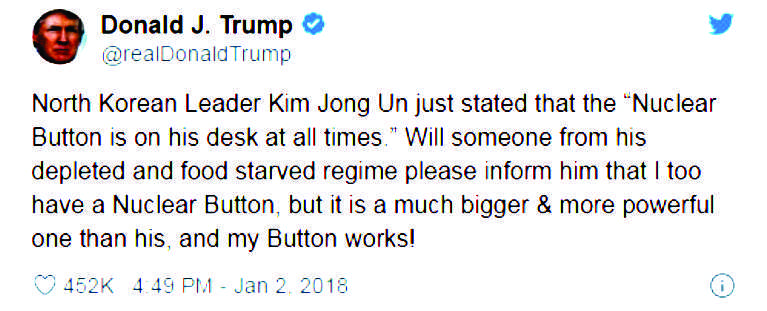
The warning shot came a day after the New Year’s Day address by North Korea’s Kim, in which he said that his country’s nuclear weapons can reach anywhere in the United States and threatened that he has a nuclear button on his desk.
In April, North Korean leader Kim Jong-un announced a halt to all nuclear and ICBM tests. On 12 June 2018, Kim met with US President Donald Trump in Singapore, the first face-to-face meeting between leaders of North Korea and the United States in history.
Late last year, the NK resumed medium-range missile tests before promising a “Christmas gift” to America in response to stalled negotiations. Trump responded by calling Kim “Rocket Man” again, and threatening North Korea on Twitter, writing that Kim will “lose everything” if he “acts in a hostile way.”
US and Iran
President Trump’s Iran policy doesn’t seem to be working out very well.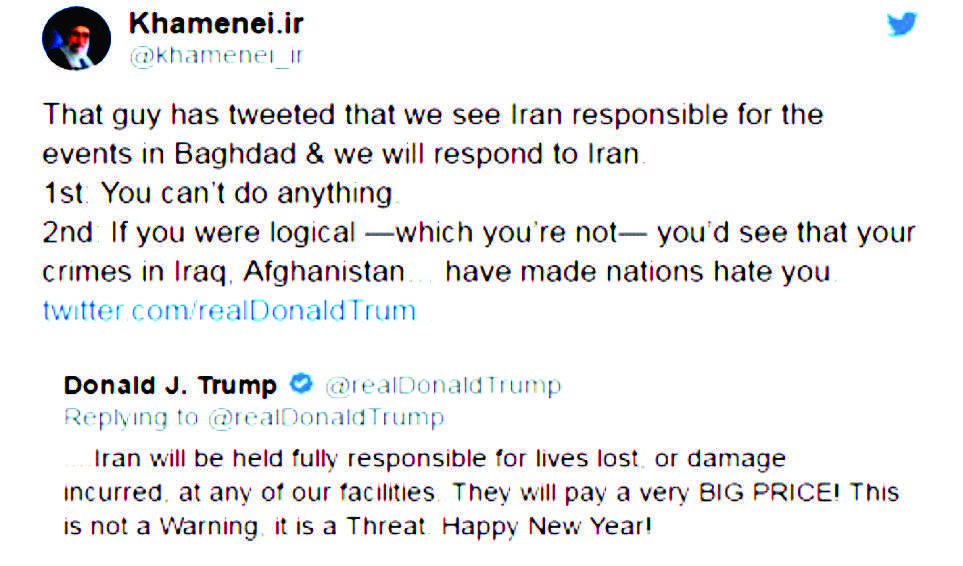
Since he pulled the United States out of the nuclear deal brokered by the Obama administration, Iran has both resumed its nuclear programme and found new ways to stir up trouble in the region. Iran launched rocket attack on a base that housed American troops in Iraq, killing an American contractor. The US blamed an Iran-backed group of militants for the killing. Tensions continued to rise on New Year’s Eve, when Iran-backed protesters stormed the US embassy in Baghdad. Trump tweeted that Iran would be held responsible for any lives lost, threatening that the nation would pay a “BIG PRICE!”
Iran’s supreme leader, Ayatollah Khamenei, responded a day later, tweeting, “You can’t do anything.”
Recently, tensions continue to grow after US president Donald Trump ordered the killing of Iranian Major General Qassem Soleimani. And they are playing out publicly among world leaders and diplomats on Twitter.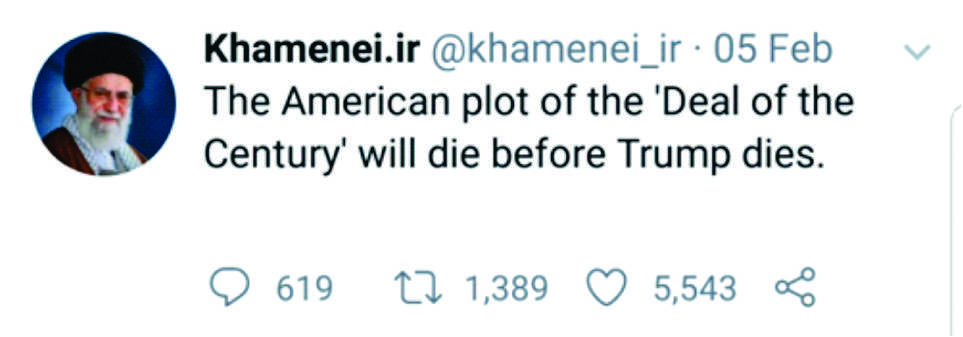
On January 04, Iran’s supreme leader threatened to retaliate using the hashtag #SevereRevenge. People tweeted against the US leader using the same hashtag. The next day, Trump tweeted that the United States had identified potential targets for new strikes, and that the list included cultural sites. Two days later, Iran’s foreign minister Javad Zarif tweeted that targeting such sites is a breach of international law that could amount to war crimes.
The US president again used Twitter to notify Congress of his intention to wage war against Iran if it attacks the United States. In response, the Foreign Affairs Committee, which is controlled by Democrats, used the platform to remind the president that only Congress has the power to declare a war.
A heating exchange of tweets is going on between the leaders of both countries. Trump is showing sympathy with Iranian people through this channel. He is also tweeting in Farsi language to influence the Iranian people.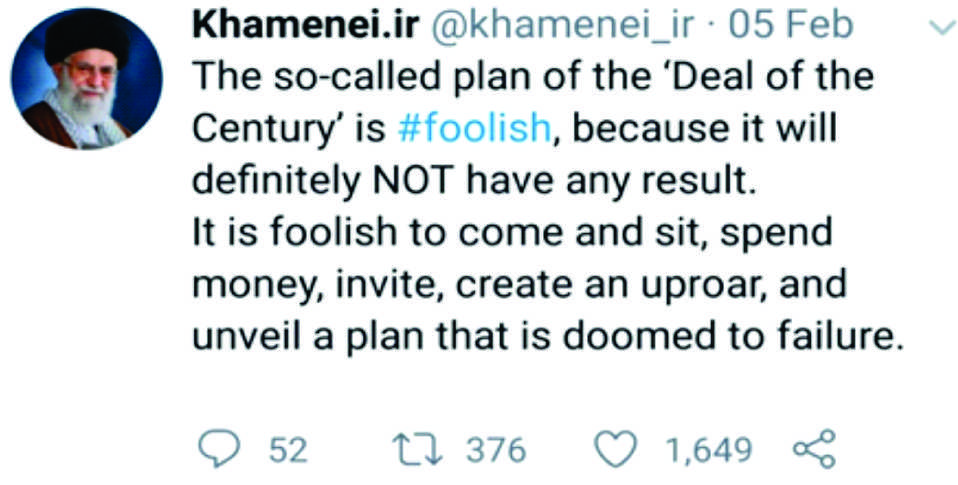
The Iranian Supreme leader is also commenting on the “deal of the century, using twitter.
Conclusion
International relations as a discipline has only recently begun to engage with the growth of social media and its implications for global politics. But if the current climate is anything to go by, social media is well on the way to disrupting the traditional channels and methods of diplomacy.