Jahangir's World Times First Comprehensive Magazine for students/teachers of competitive exams and general readers as well.
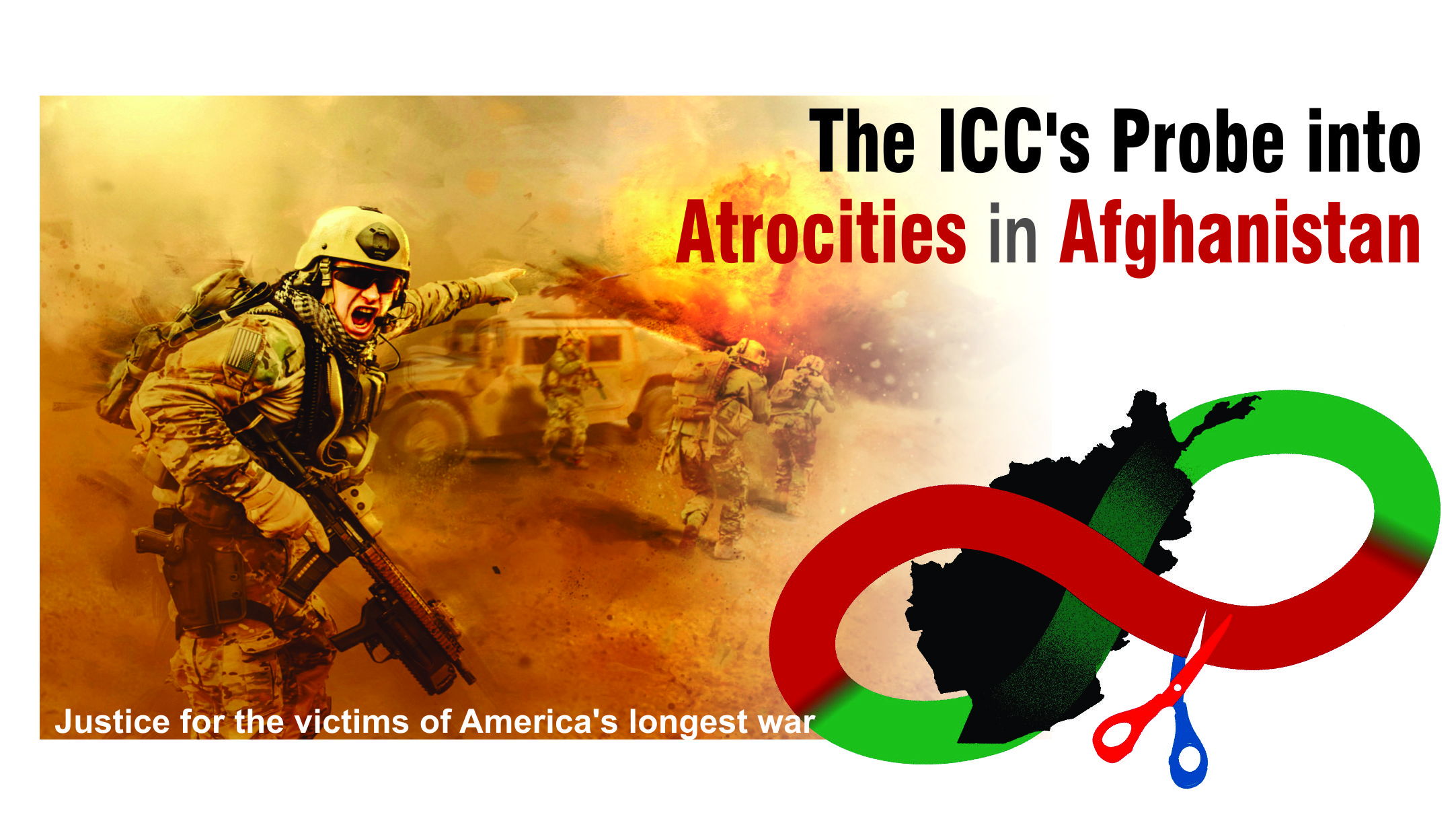
The ICC’s Probe into Atrocities in Afghanistan
In what is being termed as an unprecedented move, the Hague-based Appeals Chamber of the International Criminal Court (ICC) has ruled that the court’s prosecutor, Fatou Bensouda, can finally proceed—following a preliminary examination of more than a decade—with a formal investigation into atrocities allegedly committed during the armed conflict in Afghanistan. “The Appeals Chamber found that the Prosecutor is authorised to investigate…the crimes alleged to have been committed on the territory of Afghanistan since 1 May 2003,” the ICC said in a statement, “as well as other alleged crimes that have a nexus to the armed conflict in Afghanistan and are sufficiently linked to the situation in Afghanistan and were committed on the territory of other States Parties.”
The ICC judges also approved that the scope of the investigation should include CIA black sites operated in Poland, Lithuania, and Romania, where detainees were taken.
The decision will allow ICC Prosecutor Fatou Bensouda to examine the actions of U.S. armed forces and members of the CIA, the Taliban insurgency, Afghan government security forces and other armed groups operating in Afghanistan.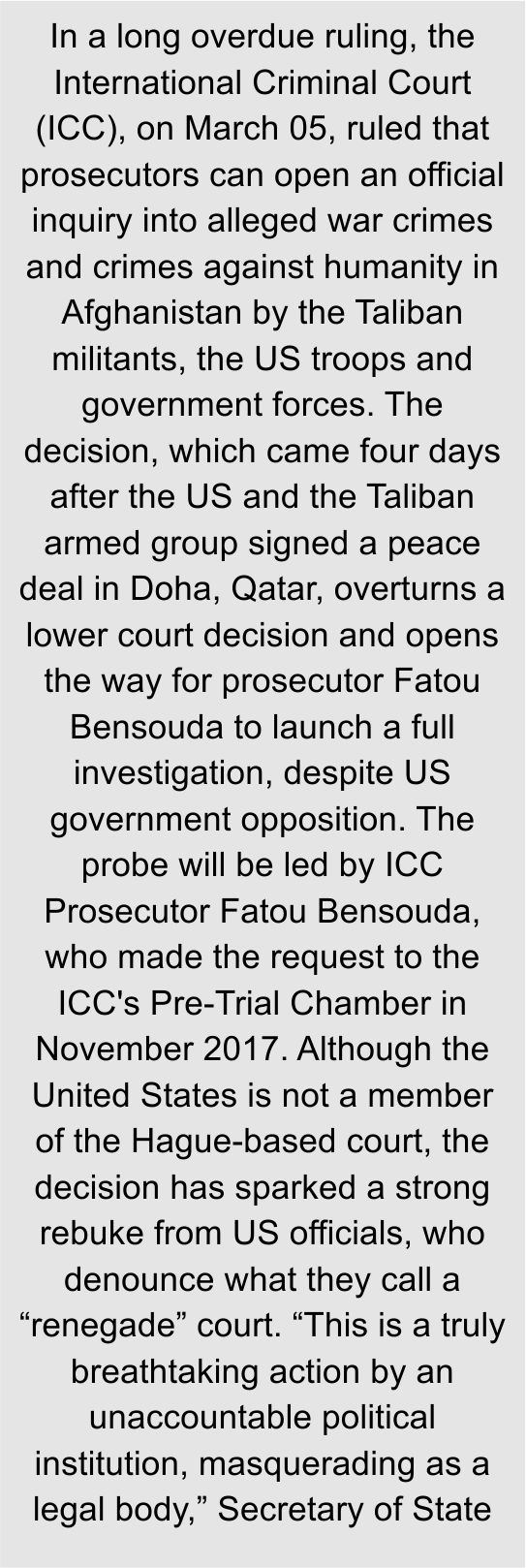
Background
A 2016 ICC report focusing on Afghan hostilities concluded there was a reasonable basis to believe that the U.S. military, Afghan government and the Taliban committed war crimes. Since 20 November 2017, Prosecutor Bensouda has been seeking a formal investigation into the alleged crimes. She alleged while arguing before the judges last year that members of the US military and intelligence agencies “committed acts of torture, cruel treatment, outrages upon personal dignity, rape and sexual violence against conflict-related detainees in Afghanistan and other locations, principally in the 2003-2004 period.” However, the Pre-Trial Chamber II, rejected Bensouda’s request, arguing that the odds of success were low. On 12 April 2019, the Chamber ruled: “In summary, the Chamber believes that, notwithstanding the fact all the relevant requirements are met as regards both jurisdiction and admissibility, the current circumstances of the situation in Afghanistan are such as to make the prospects for a successful investigation and prosecution extremely limited. Accordingly, it is unlikely that pursuing an investigation would result in meeting the objectives listed by the victims favouring the investigation, or otherwise positively contributing to it. It is worth recalling that only victims of specific cases brought before the Court could ever have the opportunity of playing a meaningful role in as participants in the relevant proceedings; in the absence of any such cases, this meaningful role will never materialise in spite of the investigation having been authorised; victims’ expectations will not go beyond little more than aspirations. This, far from honouring the victims’ wishes and aspiration that justice be done, would result in creating frustration and possibly hostility vis-a-vis the Court and therefore negatively impact its very ability to pursue credibly the objectives it was created to serve.”
What did the Appeals Chamber decide?
The recent judgment reversed that decision. The five appeals judges—from Canada, Peru, Poland, Uganda, and the United Kingdom—rejected the lower chamber’s view that an investigation of the Afghanistan situation would not serve “the interests of justice.” The Appeals Chamber concluded that the governing treaty of the ICC, the Rome Statute, does not authorize the Pretrial Chamber to use its discretion to determine “the interests of justice” when the prosecutor seeks approval for an investigation. The judges ruled that there is a reasonable factual basis to proceed and that potential cases do fall within the ICC’s jurisdiction. Additionally, the Appeals Chamber broadened the prosecutor’s scope of investigation to include criminal acts she might discover while further investigating the Afghanistan situation.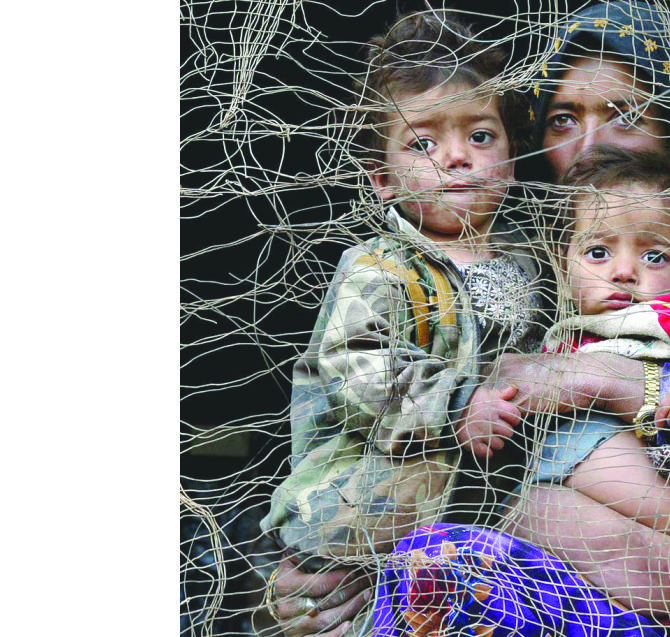
What will Ms. Bensouda investigate, and how?
Specifically, Ms. Bensouda will be seeking to investigate crimes against humanity and war crimes by the Taliban and their affiliated Haqqani Network; war crimes by the Afghan National Security Forces (ANSF) and in particular, members of the National Directorate for Security (NDS) and the Afghan National Police (ANP).
The prosecutor’s investigation centers on alleged crimes against humanity and war crimes committed by the Taliban and affiliated armed groups as well as by Afghan National Security Forces in Afghanistan since May 1, 2003, when that country joined the ICC.
The prosecutor has focused on the Taliban’s crimes against humanity of murder, imprisonment or other severe deprivation of physical liberty, and persecution against identifiable groups of civilians, including on political and gender grounds. Taliban actions are believed to have resulted in tens of thousands of civilian casualties, and the prosecutor will seek to identify Taliban leaders who orchestrated the killing and wounding of so many civilians.
The Afghan security forces are being investigated for several war crimes against hundreds of civilians: torture and cruel treatment; outrages upon personal dignity, such as humiliating and dehumanizing abuses; and sexual violence. 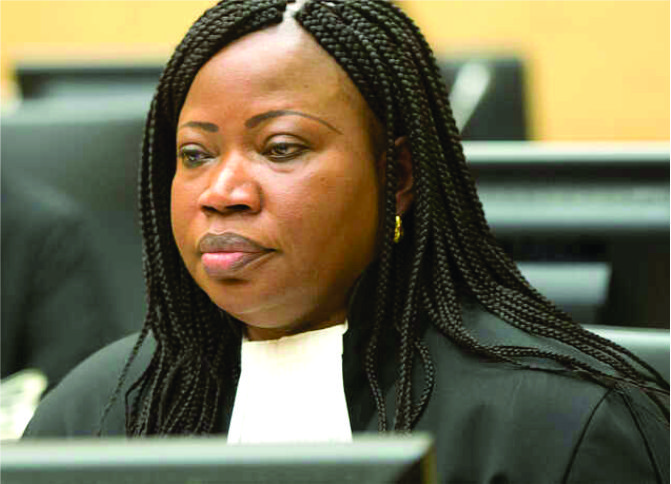
The US armed forces and CIA are now under investigation for war crimes against around eighty victims who allegedly suffered torture and cruel treatment, outrages upon personal dignity, and rape and other forms of sexual violence. There are more than fifty victims of such crimes allegedly committed by the U.S. military in Afghanistan in 2003–04. Another twenty-four people detained during the conflict claim to be victims of such alleged crimes by the CIA not only in Afghanistan but at CIA “black sites”—secret locations where covert actions, such as interrogations, can take place—in Lithuania, Poland, and Romania, again primarily in 2003–04 but in some cases stretching back to mid-2002.
For the purposes of its investigation, the ICC Prosecutor can request that the court’s judges issue summons to appear or arrest warrants “no matter who the perpetrator”, for alleged atrocity crimes committed in connection with the Situation in Afghanistan, her Office said.
Can an ICC investigation against US
forces made?
The United States is not a state party to the Rome Statute— signed the Rome Statute on December 31, 2000, at the end of the Bill Clinton administration. But the Senate never ratified the treaty due to the strong opposition by the George W. Bush administration. However, the ICC’s jurisdiction is triggered when genocide, crimes against humanity, or war crimes occur on the territory of an ICC member state or when a national of a state party commits such a crime. According to a 2014 report by the US Senate Select Committee on Intelligence, which the prosecutor draws upon, US military and intelligence personnel committed torture on Afghan territory as well as on the territory of other parties to the Rome Statute—namely Lithuania, Poland, and Romania—in regard to victims associated with the Afghan conflict. The prosecutor relied on open-source information describing U.S. efforts to investigate crimes allegedly committed by U.S. personnel in connection with the Afghanistan situation and found those efforts, or the lack thereof, unconvincing.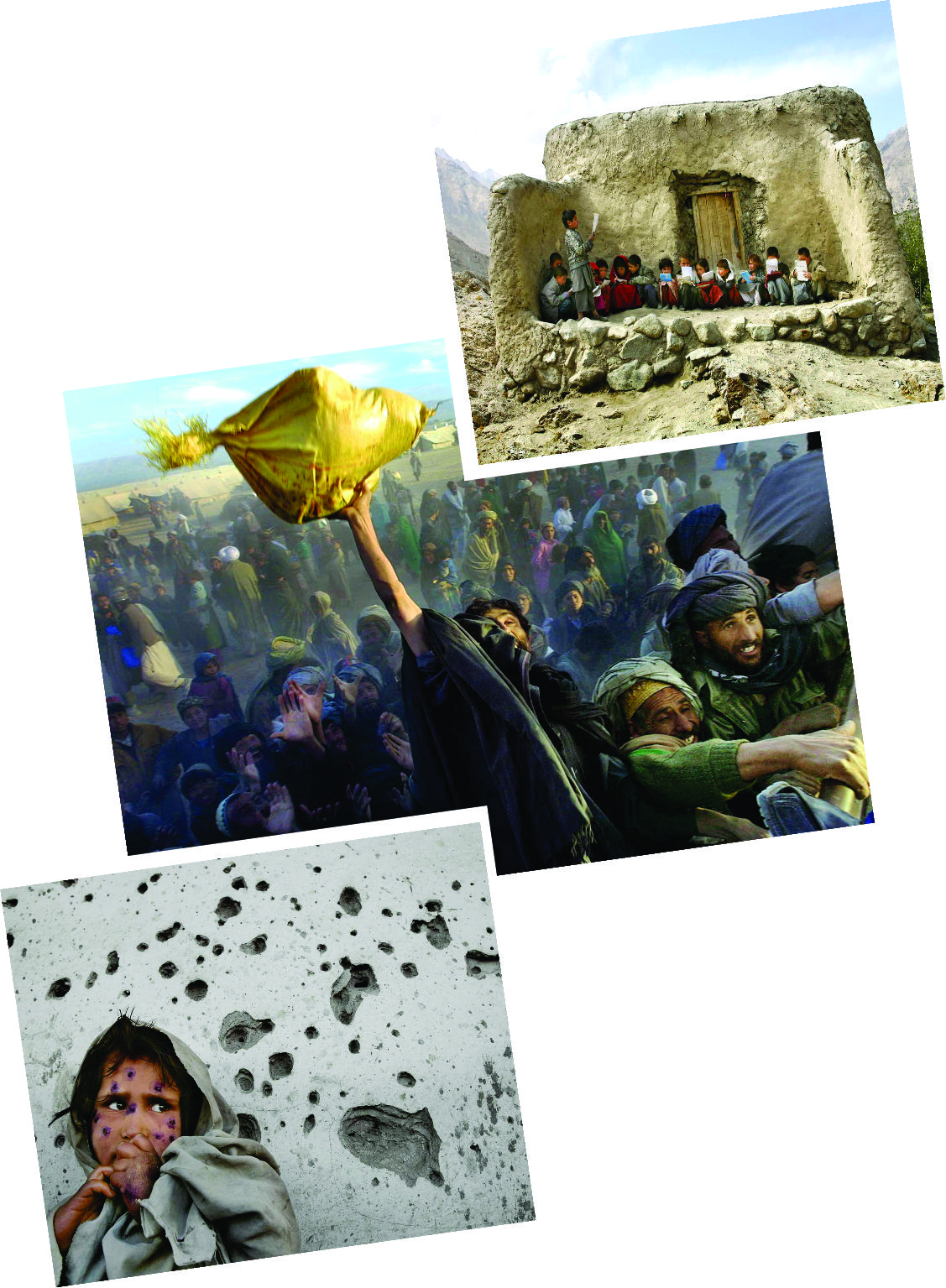
The U.S. government argues that nonparty state nationals do not fall under the ICC’s jurisdiction even if they commit atrocity crimes on the territory of a state party, such as Afghanistan or the three European nations. But that issue was not on appeal and therefore the Appeals Chamber did not adjudicate arguments challenging coverage of U.S. nationals. The Pretrial Chamber had ruled that U.S. nationals responsible for such crimes are subject to the court’s jurisdiction under these circumstances.
The ICC focuses on crimes by leadership, not actions taken by mid- and low-level forces or personnel, so the likely targets of investigation will be Taliban leaders, Afghan government and military leaders, and top U.S. officials who planned or authorized the alleged crimes under the George W. Bush administration.
However, since the United States is not a member of the ICC, Washington will be under no legal obligation to cooperate with any investigation by the court. U.S. Secretary of State Mike Pompeo has already made it clear that Washington will not cooperate. Without such cooperation, particularly regarding former officials who reside in the United States and are thus outside the reach of ICC arrest warrants (unless they travel to ICC states), it could be very difficult for the prosecutor to establish sufficient evidence to charge and then arrest U.S. suspects.
Comment
The International Criminal Court has long been criticised for spending far too much of its time looking at the alleged crimes of smaller – often African – nations and shying away from taking cases involving major world players.
So to this extent its investigation into alleged war crimes in Afghanistan is an important moment.
Its remit is to look at the behaviour of the Taliban, the Afghan Government’s forces and of course the Americans.
And therein lies the problem. The United States is not a party to the ICC and is unlikely to co-operate with it. More generally Afghanistan is still far from being at peace.
There will be those who see some kind of judicial process to hold wrong-doers to account as being an essential part of reconciliation in the country. But the practical problems facing any ICC mission may be insurmountable.